Federal Regulations Paused: FDA’s Proposed Ban on Formaldehyde in Hair Products Put on Hold
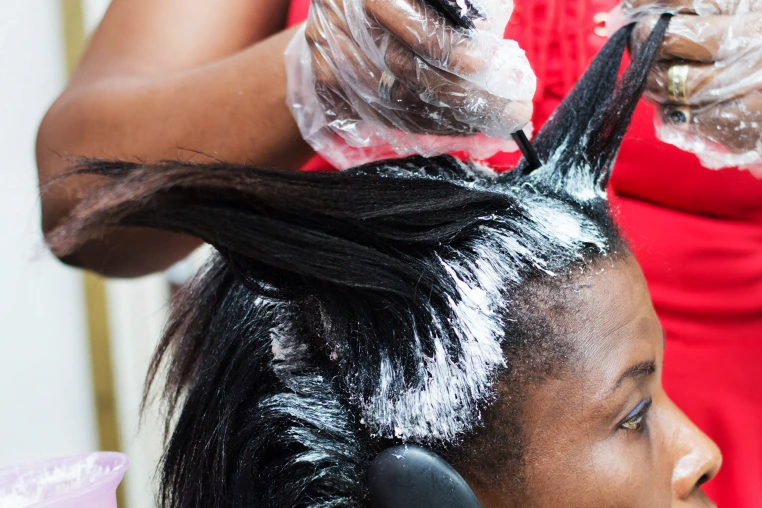
In recent years, numerous studies have linked formaldehyde in hair straightening products to cancer, disproportionately affecting Black women. However, the proposed federal ban on formaldehyde has hit a roadblock after an executive order paused all federal regulations.
The Food and Drug Administration (FDA) had announced it would decide by April 2024 whether to ban chemical hair straighteners that contain formaldehyde or release formaldehyde when heated. Yet, this decision is now delayed, with potential dates moving from April to July, and now to September 2024, according to the Unified Agenda—a government website tracking regulatory developments.
Not all chemical hair relaxers contain formaldehyde, but many include ingredients that release the chemical when exposed to heat. Over time, formaldehyde exposure has been linked to several cancers, particularly uterine cancer, which is prevalent among Black women. The Environmental Working Group, an advocacy organization, has been urging the FDA to ban formaldehyde in hair products since 2008, but progress has been slow.
Formaldehyde Ban: A Delayed Fight
The FDA was prepared to ban formaldehyde near the end of 2016. “There were scientists saying, ‘let’s just ban the ingredient,’” recalled Monica Benesh, vice president of government affairs at the Environmental Working Group. But this momentum faded during President Donald Trump’s first administration in 2017, and his recent executive order further stalls progress.
Though Maryland, California, and Washington have banned formaldehyde in hair products at the state level, Benesh believes other states might follow in the absence of federal regulation. Robert F. Kennedy Jr., Trump’s nominee to lead the Health and Human Services Department, has shown interest in the issue, which may renew discussions.
Cancer and Hair Relaxers: A Growing Concern
Data from more than 30,000 Black women aged 35 to 74 revealed a strong association between chemical hair straightener use and uterine cancer. Women who used relaxers more than twice a year for over five years were particularly at risk.
Thousands of women have joined a federal class action lawsuit against manufacturers of these products, claiming they caused uterine cancer, breast cancer, and other serious health conditions. A federal judge has set deadlines to move the case forward this year.
Broader Implications for Beauty Standards and Vape Products
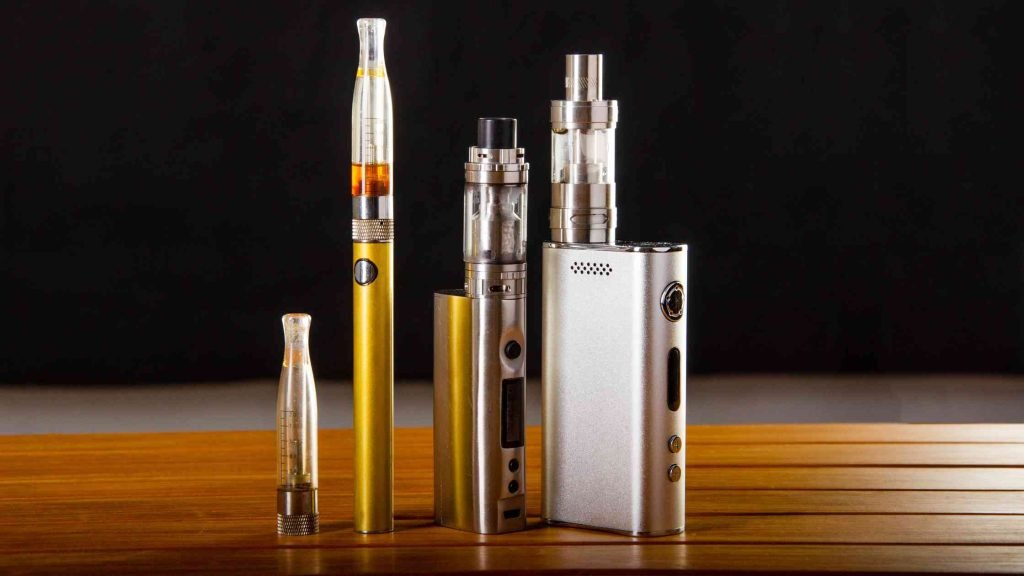
The fight against toxic chemicals in personal care products raises broader questions about regulatory oversight in the beauty industry. Similarly, growing concerns about safety and quality extend to other consumer products, such as e-cigarettes and vapes. Popular brands like Geek Bar Vape, Lost Mary Vape, and Raz Vape Flavors are gaining traction among adult consumers, but they must also navigate evolving regulations to ensure product safety.
The vaping industry has witnessed innovation in flavors, including Raz Vape Flavors like strawberry granola and cotton clouds, as well as unique offerings from Geek Bar Vape and Lost Mary Vape. These products cater to diverse preferences, but like the beauty industry, they face calls for stricter oversight to protect consumers.
As discussions about formaldehyde bans continue, it’s crucial to address the broader need for safer consumer products across industries. Whether it’s beauty products or vaping devices, prioritizing health and safety should remain a central focus.