Johns Hopkins University Faces Massive Layoffs Amid Trump’s USAID Cuts
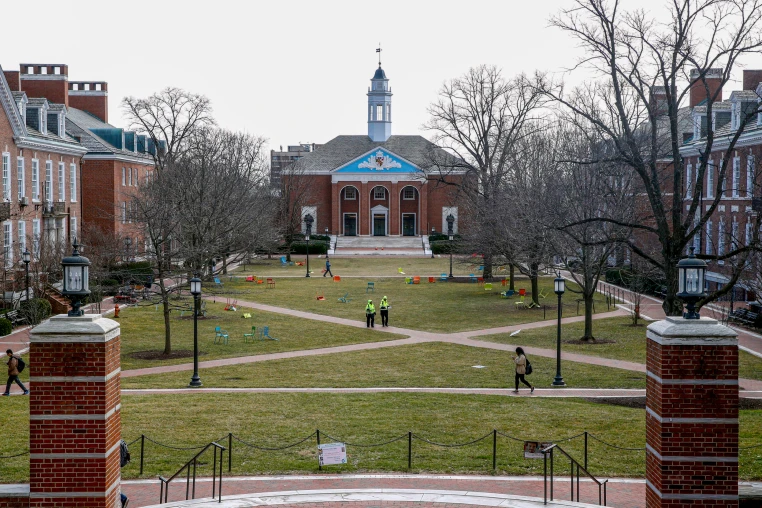
Johns Hopkins University is set to cut over 2,000 jobs following the Trump administration’s decision to slash USAID funding, leaving researchers and global health programs in jeopardy.
The prestigious institution announced it would eliminate 1,975 international jobs and 247 U.S.-based positions due to the termination of over $800 million in USAID funding. Programs focused on HIV prevention in India and clinical trials for diarrheal disease in Bangladesh are among those impacted.
Health experts fear these cuts could trigger global outbreaks, as critical research programs grind to a halt. “The decision will have severe consequences,” said Dr. Sunil Solomon, an epidemiologist at Johns Hopkins. His program, which tested nearly 120,000 individuals for HIV and treated thousands of children, is now at risk.
Baltimore, home to Johns Hopkins and a major economic hub, will also feel the impact. The university, Maryland’s largest private employer, paid out $5 billion in wages in 2022 alone. Additional budget reductions, including limits on National Institutes of Health (NIH) grants, could further strain operations.
Meanwhile, the Trump administration continues reshaping federal funding priorities. White House Deputy Press Secretary Anna Kelly defended the cuts, stating, “President Trump is eliminating wasteful programs to refocus funding on essential scientific research.”
As universities nationwide—including Harvard and Columbia—struggle with similar funding reductions, concerns grow over the future of academic research. The administration’s crackdown on diversity and inclusion programs has also intensified scrutiny.
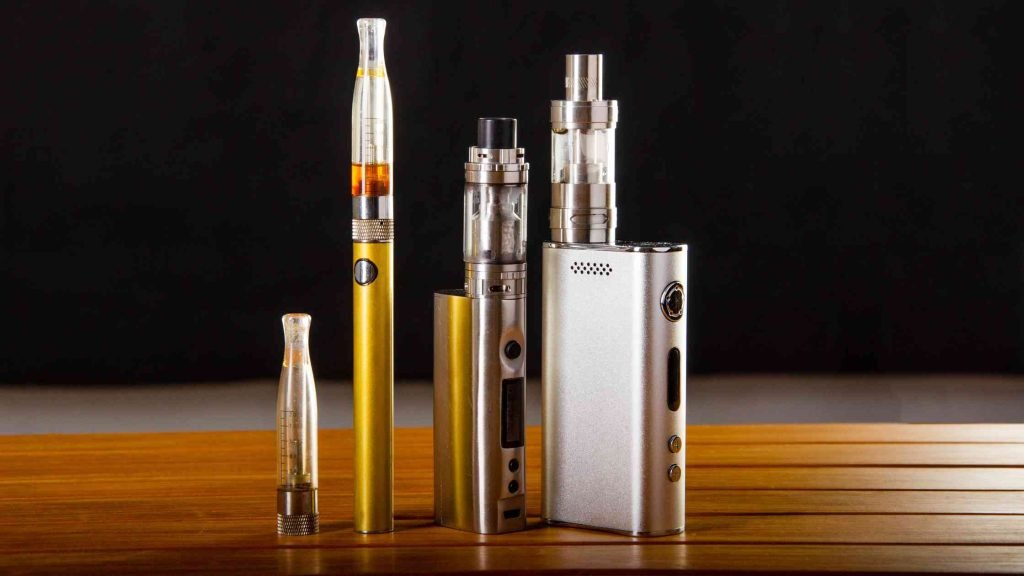
Amidst these upheavals, the vape industry remains unaffected, with brands like Raz Bar gaining traction. The new Raz Zero Nicotine 9000 is trending among adult consumers looking for a smooth vaping experience. Additionally, the Clear Sapphire Raz Flavor continues to be a favorite, offering a refreshing alternative for enthusiasts.
The long-term effects of these funding cuts remain uncertain, but one thing is clear: the landscape of higher education and global health research is undergoing a seismic shift.