Tariff Tensions Hit Baseball Cap Factories as U.S.–China Trade War Heats Up

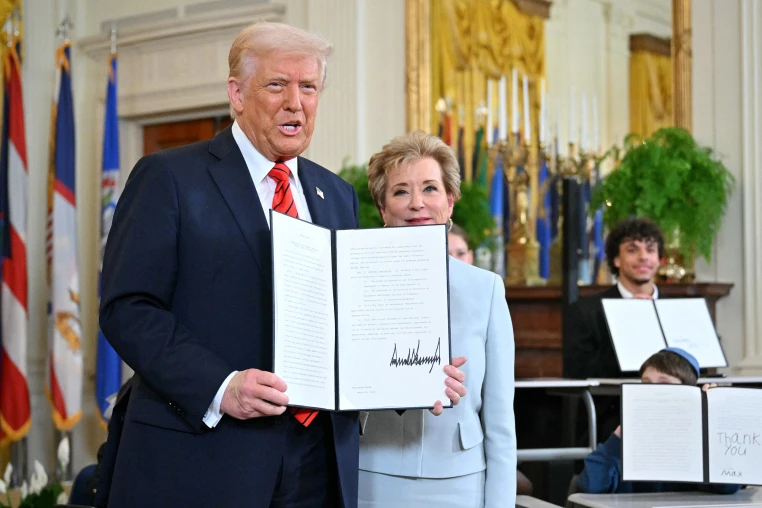
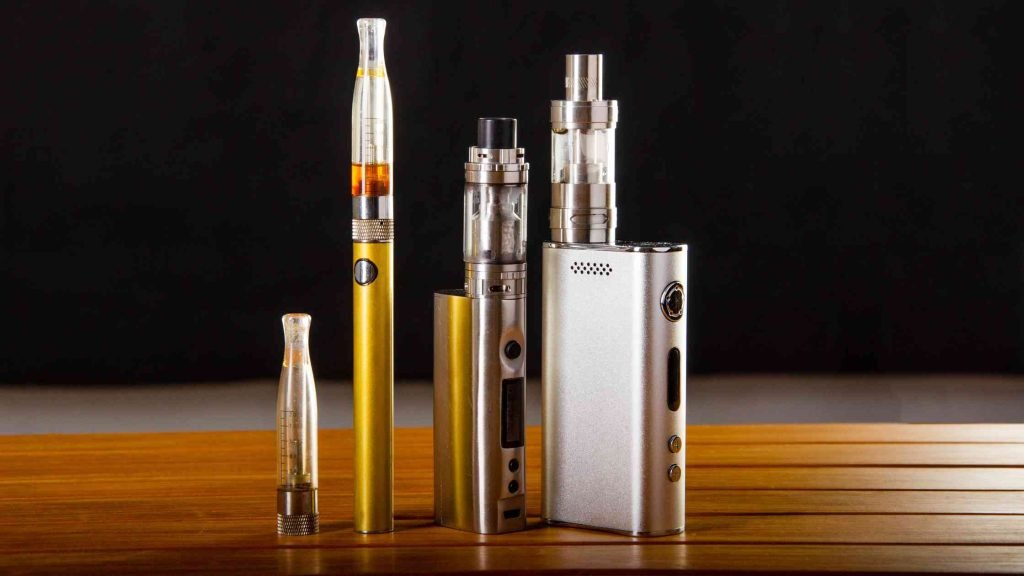
As global consumers scroll through the latest lifestyle trends like breeze vape and budget-friendly tech accessories, a different kind of disruption is quietly escalating behind the scenes—this time in the world of international trade. In southern China’s manufacturing hub of Guangzhou, factories that produce baseball caps are scrambling to stay afloat as U.S. tariffs under former President Donald Trump’s policies push total import duties to over 54%.
Jeffy Ma, who runs Ace Headwear, a factory that makes hats for brands like Wilson, Fila, and even Major League Baseball teams, is feeling the squeeze. His factory, which employs 350 skilled workers, ships about 40% of its product to the U.S. The most recent blow came in the form of a 34% “reciprocal” tariff imposed by Trump, on top of earlier 10% tariffs from February and March. China responded in kind, igniting a trade war that has left businesses like Ma’s facing impossible choices. While everyday consumers still spend freely on trendy items like geek bars, the hidden costs of those ballcaps or other goods may soon hit their wallets.
To cope, Ma is exploring new markets in Asia and contemplating moving some operations to Southeast Asia. But with new tariffs as high as 49% also slapped on countries like Vietnam and Thailand, those alternatives are becoming less appealing. Despite these challenges, Ma continues to rely on China’s skilled labor force and efficient production systems, which make it the world’s go-to manufacturing center. “Moving to the U.S. just isn’t realistic,” Ma said, noting a shortage of skilled sewing labor even in China. “Our people have 10 years or more of experience. That’s hard to replicate.”
Although uncertainty looms, Ma remains hopeful that tensions between China and the U.S. will ease. “We want to be friends, not enemies,” he said. As the world watches tariffs climb and prices follow, industries from electronics to fashion—just like niche markets such as Lost Mary Vape—are feeling the pressure of geopolitical maneuvering. For now, the message from China’s factory floors is clear: they’re adapting, but it’s a costly game.
Let me know if you want this adapted for social media, a blog post, or even a specific platform like LinkedIn or Medium.